
Peripheral Arterial Bypass is an advanced vascular surgical procedure performed to restore blood flow to limbs affected by severe arterial obstruction. When arteries become critically narrowed or blocked due to plaque buildup, clots, or vessel damage, tissues are deprived of oxygen and nutrients. This lack of circulation can result in severe pain, non-healing ulcers, infections, and ultimately limb loss. As a definitive option for Peripheral arterial bypass surgery in Vijayawada, this procedure creates a new route for blood to travel around the blocked artery, re-establishing circulation and preventing irreversible tissue damage.
UNDERSTANDING PERIPHERAL ARTERIAL DISEASE AND ITS CONSEQUENCES
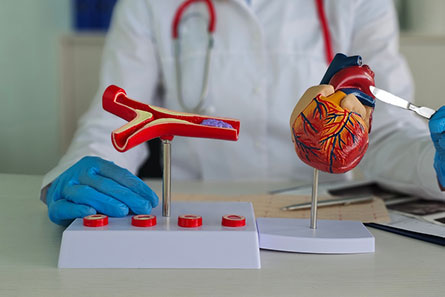
Peripheral arterial disease is a progressive disorder in which blood vessels supplying the limbs become narrowed or completely blocked. Reduced circulation leads to ischemia, which may present as leg pain during walking (claudication), rest pain, changes in skin color, cold extremities, or tissue breakdown. Without timely intervention, PAD can progress to critical limb ischemia—a serious condition marked by gangrene, severe infection, and a high risk of amputation. Comprehensive Peripheral artery disease treatment in Vijayawada focuses on restoring blood flow and preserving limb function.
WHAT DOES PERIPHERAL ARTERIAL BYPASS SURGERY INVOLVE?
Peripheral arterial bypass surgery involves creating an alternate pathway for blood flow using either the patient’s own vein or a synthetic graft. One end of the graft is connected to a healthy artery above the blockage, and the other end is attached below the obstruction, allowing uninterrupted blood flow to the affected limb.
Depending on the site of arterial disease, different bypass configurations may be performed, including:
- Aorto-femoral bypass
- Femoro-popliteal bypass
- Femoro-tibial or pedal bypass
- Upper limb bypass
Each approach is carefully selected to deliver durable revascularization and optimal limb salvage.
WHO REQUIRES PERIPHERAL ARTERIAL BYPASS?
Bypass surgery is reserved for patients with advanced disease in whom non-surgical or endovascular options are insufficient. Typical candidates include individuals with:
- Continuous limb pain even at rest
- Chronic, non-healing ulcers or wounds
- Gangrene or infected tissue
- Severe arterial blockages identified on imaging
- Rapidly worsening limb circulation
For patients with critical Leg artery blockage treatment in Vijayawada needs, bypass surgery remains the most reliable limb-saving option.
THE SURGICAL PROCEDURE: SKILL AND PRECISION
Peripheral arterial bypass is performed under general or regional anesthesia in a specialized operating theater. The surgeon carefully exposes the affected artery and identifies suitable inflow and outflow sites. A vein harvested from the patient or a biocompatible synthetic graft is meticulously sutured into place. Continuous monitoring ensures effective blood delivery to the ischemic limb. At Harsha Vascular Centre, these complex procedures are performed under the expert leadership of Dr. G. Sri Harsha, ensuring high success rates and durable outcomes.
BENEFITS OF PERIPHERAL ARTERIAL BYPASS
Bypass surgery provides both immediate and long-term benefits, including:
- Rapid relief from ischemic pain
- Healing of chronic ulcers and wounds
- Prevention of limb amputation
- Improved walking capacity and endurance
- Restoration of limb warmth, color, and function
This procedure plays a vital role in advanced limb-salvage strategies, particularly in patients requiring integrated Diabetic foot care in Vijayawada due to compromised circulation.
RECOVERY AND LONG-TERM MANAGEMENT
Recovery focuses on protecting the bypass graft and improving overall vascular health. Most patients begin gentle ambulation within one to two days and are discharged within several days, depending on surgical complexity. Long-term success depends on:
- Strict control of diabetes, blood pressure, and cholesterol
- Smoking cessation
- Antiplatelet or anticoagulant therapy
- Regular vascular surveillance
These measures help maintain graft patency and long-term limb viability.
WHY PERIPHERAL ARTERIAL BYPASS REMAINS A GOLD STANDARD
Despite advances in angioplasty and stenting, bypass surgery remains indispensable for extensive or long-segment arterial disease. Its ability to provide robust and sustained blood flow makes it the preferred treatment for advanced PAD and limb-threatening ischemia. When performed by experienced vascular surgeons, bypass offers unmatched durability and limb preservation.
Peripheral arterial bypass is more than a surgical procedure—it is a life- and limb-saving intervention that restores mobility, independence, and quality of life for patients facing advanced vascular disease.
Frequently Asked Questions (FAQs)
How long does a peripheral arterial bypass last?
With proper care, a bypass graft can function effectively for many years, often over a decade.
Is the surgery painful?
Pain is well controlled with modern anesthesia and postoperative medications.
How long is hospital stay after the procedure?
Typically 3–7 days, depending on the complexity of surgery and overall health.
Can the disease return after bypass?
Yes, atherosclerosis is progressive, which is why lifestyle changes and medications are essential.
Is bypass better than angioplasty?
Bypass is superior for long or multiple blockages, while angioplasty suits shorter lesions.
Will I be able to walk normally again?
Most patients experience significant improvement in walking and daily activities.
Are synthetic grafts safe?
Yes, modern grafts are highly biocompatible and widely used when native veins are unavailable.
What risks are associated with the surgery?
As with any major surgery, risks include infection, bleeding, or graft blockage, though these are uncommon in expert centers.
How soon can wounds start healing after surgery?
Improved blood flow often initiates healing within days to weeks.
Is long-term follow-up required?
Yes, periodic vascular check-ups are essential to ensure graft patency and prevent recurrence.