
Diabetes is not merely a metabolic disorder; it is a systemic condition capable of triggering severe complications when left unchecked. Among its most debilitating consequences are leg ulcers, medically termed diabetic foot or leg ulcers. These wounds develop when prolonged high blood sugar damages blood vessels and nerves, compromising circulation and sensation. Over time, even a trivial injury can deteriorate into a chronic, non-healing ulcer, posing a serious risk of infection, gangrene, and even limb loss. Early medical intervention and specialized Diabetic leg ulcer treatment in Vijayawada are therefore critical to preserve both mobility and quality of life.
WHY DO DIABETIC LEG ULCERS DEVELOP?
Leg ulcers in diabetic individuals are rarely caused by a single factor; they arise from a complex interplay of vascular, neurological, and immunological impairments. Persistently elevated glucose levels lead to:
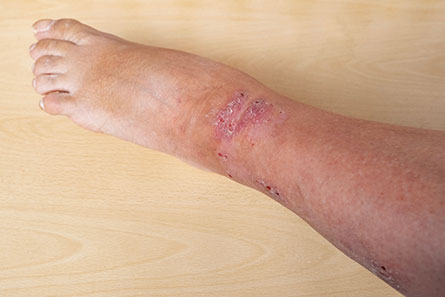
- Peripheral neuropathy, reducing pain sensation and making injuries go unnoticed
- Peripheral arterial disease (PAD), which restricts blood flow and oxygen delivery to tissues
- Weakened immune response, increasing susceptibility to infection
- Skin fragility and dryness, resulting in easy breakdown
When these factors converge, the skin loses its ability to heal, and a small blister or crack can rapidly transform into a deep, infected ulcer.
RECOGNIZING THE EARLY WARNING SIGNS
Prompt identification of diabetic leg ulcers can prevent devastating complications. Patients and caregivers should watch for:
- Persistent redness or swelling on the feet or lower legs
- Open sores that do not heal within two weeks
- Discharge, foul odor, or discoloration of surrounding skin
- Numbness, tingling, or burning sensations
- Changes in skin temperature or texture
Ignoring these signs allows the wound to deepen and invites bacterial invasion, making Non healing leg ulcer treatment in Vijayawada far more complex if delayed.
ADVANCED DIAGNOSTIC EVALUATION
Effective treatment begins with precise diagnosis. A thorough vascular and wound assessment typically includes:
- Doppler ultrasound to measure blood flow in leg arteries
- Ankle-brachial index (ABI) to detect peripheral arterial disease
- Wound culture tests to identify infectious organisms
- Imaging studies, such as CT angiography, for mapping arterial blockages
These investigations determine the severity of circulation impairment and guide the selection of the most appropriate therapeutic strategy for Leg ulcers due to diabetes in Vijayawada.
MODERN TREATMENT STRATEGIES FOR DIABETIC LEG ULCERS
The management of diabetic leg ulcers requires an integrated, multidisciplinary approach. Treatment is not limited to wound dressing; it targets the underlying vascular and metabolic dysfunctions. Core components include:
- Blood sugar optimization to promote natural healing
- Debridement, the removal of dead or infected tissue
- Advanced wound dressings that maintain moisture balance
- Antibiotic therapy for infected ulcers
- Revascularization procedures to restore blood flow
At specialized centers such as Harsha Vascular Centre, these therapies are combined with advanced vascular interventions to maximize limb salvage and functional recovery.
THE ROLE OF VASCULAR INTERVENTION
Many diabetic leg ulcers fail to heal because of severe arterial blockages. Restoring circulation is therefore a cornerstone of successful treatment. Under the expertise of Dr. G. Sri Harsha, minimally invasive vascular procedures are employed to reopen narrowed or obstructed arteries, allowing oxygen-rich blood to reach affected tissues. This advanced approach, led by a skilled Diabetic foot care surgeon in Vijayawada, significantly improves healing rates and reduces the risk of amputation.
PREVENTION: THE MOST POWERFUL TREATMENT
While advanced therapies are highly effective, prevention remains the most cost-efficient and life-altering strategy. Diabetic patients should adopt a disciplined foot-care regimen that includes:
- Daily inspection of feet and legs for cuts, blisters, or color changes
- Wearing well-fitted, protective footwear
- Maintaining optimal blood sugar and cholesterol levels
- Avoiding barefoot walking, even indoors
- Seeking prompt medical attention for any non-healing wound
These simple measures can prevent recurrence and protect long-term mobility.
WHY SPECIALIZED CARE MATTERS
Diabetic leg ulcers are not ordinary wounds; they are manifestations of complex vascular disease. Treating them requires advanced diagnostics, vascular expertise, and continuity of care. A specialized team not only heals wounds but addresses the underlying circulatory impairment, ensuring durable outcomes and reduced recurrence.
A FUTURE FREE FROM CHRONIC WOUNDS
Ulcers on legs due to diabetes need not define a patient’s life. With early diagnosis, expert vascular intervention, and disciplined self-care, even severe ulcers can heal and limbs can be saved. Modern medicine offers renewed hope—allowing patients to reclaim independence, mobility, and confidence, one step at a time.