
Deep Vein Thrombosis (DVT) is a potentially life-threatening vascular condition in which a blood clot forms in the deep veins, most commonly in the legs. If not identified and treated promptly, these clots can dislodge and travel to the lungs, causing a pulmonary embolism—a medical emergency that can be fatal. A specialized and timely approach to DVT treatment in Vijayawada is therefore not just advisable, but essential. Modern vascular medicine now allows highly precise diagnosis and minimally invasive treatments that significantly reduce complications and improve long-term outcomes.
UNDERSTANDING THE PATHOPHYSIOLOGY OF DVT
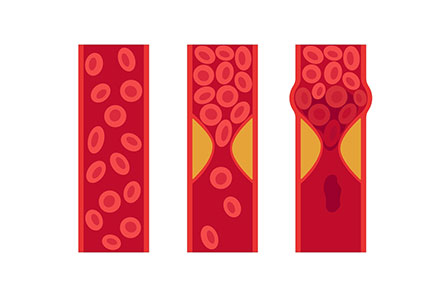
DVT occurs when blood flow slows, vessel walls become damaged, or the blood becomes abnormally prone to clotting—a combination known as Virchow’s Triad. These three factors work synergistically to promote thrombus formation in deep veins, particularly after surgery, prolonged immobility, trauma, or during chronic illnesses. Once formed, a clot can obstruct venous blood flow, causing swelling, pain, and tissue inflammation, and may lead to chronic venous insufficiency if left unmanaged.
COMMON RISK FACTORS AND PREDISPOSING CONDITIONS
While DVT can affect anyone, certain conditions significantly increase susceptibility. These include:
- Prolonged bed rest or long-distance travel
- Major surgeries, especially orthopedic and abdominal procedures
- Cancer and chemotherapy
- Pregnancy and the postpartum period
- Hormonal therapy or oral contraceptives
- Obesity and smoking
- Genetic clotting disorders
Understanding these risk factors allows early intervention, which is crucial for preventing life-threatening complications.
CLINICAL SYMPTOMS THAT SHOULD NEVER BE IGNORED
The symptoms of DVT are often subtle and may mimic other conditions, making awareness critical. Typical warning signs include:
- Persistent leg swelling, usually in one limb
- Deep aching pain or tenderness
- Redness or warmth over the affected area
- Prominent surface veins
- Sudden shortness of breath or chest pain (indicative of pulmonary embolism)
Immediate medical evaluation is vital if any of these symptoms appear, especially in high-risk individuals seeking Blood clot treatment in Vijayawada.
PRECISION DIAGNOSTICS FOR ACCURATE DETECTION
Accurate diagnosis forms the foundation of effective DVT treatment. Advanced vascular imaging and laboratory evaluations are used to identify clots at their earliest stages. These may include Doppler ultrasound, D-dimer blood tests, CT venography, and MRI in complex cases. With high-resolution imaging, even small or asymptomatic clots can be detected before they progress to serious complications, allowing timely intervention by a Deep vein thrombosis specialist in Vijayawada.
Evidence-Based Treatment Modalities
Modern DVT management is tailored to the size, location, and severity of the clot. The goal is to prevent clot extension, reduce the risk of embolism, and preserve venous function. Treatment options may include:
- Anticoagulant therapy to prevent further clotting
- Catheter-directed thrombolysis to dissolve large or acute clots
- Mechanical thrombectomy for rapid clot removal
- Compression therapy to minimize swelling and long-term vein damage
- Inferior vena cava (IVC) filters in select high-risk cases
A comprehensive strategy incorporating Endovascular treatment for blood clots in Vijayawada enables targeted therapy with improved safety and outcomes.
MINIMALLY INVASIVE INTERVENTIONS FOR FASTER RECOVERY
Technological advancements have revolutionized DVT treatment, replacing many open surgeries with image-guided, minimally invasive techniques. These procedures allow targeted clot removal or dissolution through tiny catheter-based access points, resulting in:
- Reduced hospital stay
- Minimal scarring
- Lower infection risk
- Rapid symptom relief
- Faster return to daily activities
These interventions are especially beneficial for patients with extensive or recurrent clots.
PREVENTING RECURRENCE AND LONG-TERM COMPLICATIONS
Post-treatment care is just as important as acute management. Without proper follow-up, DVT can recur or evolve into post-thrombotic syndrome, characterized by chronic leg pain, swelling, and skin changes. A comprehensive prevention plan may include:
- Long-term anticoagulation when indicated
- Lifestyle modification and weight management
- Smoking cessation
- Regular vascular monitoring
- Use of medical-grade compression stockings
Through structured follow-up and patient education, recurrence risks can be significantly minimized.
EXPERT-LED VASCULAR CARE YOU CAN TRUST
Under the leadership of Dr. G. Sri Harsha, patients receive advanced, protocol-driven care at Harsha Vascular Centre, where clinical expertise is combined with cutting-edge vascular technology to manage even complex DVT cases with precision and safety.
RESTORING CIRCULATION, PROTECTING LIVES
Blood clots are not merely a localized vascular issue—they are a systemic threat that demands immediate, specialized care. With early diagnosis, advanced intervention, and meticulous follow-up, DVT can be effectively treated and its complications prevented. If you or a loved one is experiencing symptoms suggestive of a clot, seeking expert vascular evaluation could be life-saving. Comprehensive, compassionate, and technologically advanced DVT care remains the cornerstone of preserving mobility, circulation, and overall health.